

Understanding the psychological triggers that influence casino decisions
The Role of Emotion in Gambling
Gambling is often driven by a complex interplay of emotions. Many players experience excitement and thrill, which can lead to impulsive decisions. This emotional rush can cloud judgment, making individuals more likely to chase losses or continue playing even when the odds are against them. Understanding this emotional component is crucial for both players and casino operators, just as choosing the right online betting sites uk can significantly affect their experience.
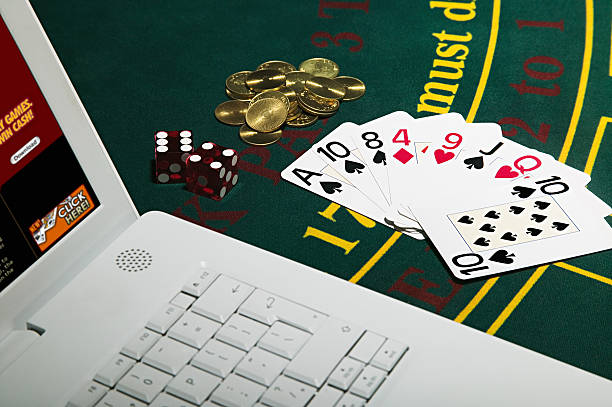
Moreover, the anticipation before a big game or spin can heighten emotional responses, prompting players to engage in behaviors they might not typically exhibit. The emotional rollercoaster associated with winning and losing creates a powerful psychological environment that influences gambling decisions significantly.
Environmental Factors and Their Impact
The casino environment is meticulously designed to enhance the gaming experience. From bright lights and engaging sounds to the strategic layout of games, every element is tailored to maintain player interest. These environmental triggers can induce a sense of urgency and excitement, leading gamblers to make quicker decisions than they would in a more subdued setting.
Additionally, social interactions in a casino can reinforce gambling behaviors. The presence of other players can create a sense of camaraderie or competition, which can further influence decision-making. The atmosphere can sway individuals to gamble more than they initially planned, as they become caught up in the shared excitement around them.
The Power of Cognitive Biases
Cognitive biases are inherent shortcuts in thinking that can lead individuals to make irrational decisions. In a casino context, the gambler’s fallacy is a common bias where players believe that past events affect future outcomes, such as thinking a losing streak must eventually turn into a win. This fallacy can lead to excessive betting and poor decision-making.
Another cognitive bias prevalent in gambling is the illusion of control, where players believe they have some influence over random events, such as dice rolls or card draws. This perception can lead to overconfidence, resulting in higher stakes and riskier bets, as players feel compelled to engage more deeply with the game, thinking they can tilt the odds in their favor.
The Influence of Rewards and Reinforcement
Reward systems play a significant role in shaping gambling behavior. Casinos often utilize various forms of reinforcement to encourage continued play, such as free spins or loyalty programs. These rewards create a sense of achievement and gratification that can be addictive, leading players to make decisions primarily based on potential rewards rather than rationality.
Moreover, intermittent reinforcement—where rewards are given unpredictably—can further increase engagement. This method keeps players on edge, wondering when the next win will come, which can result in extended play sessions and increased financial risk. Understanding these reinforcement mechanics is essential for recognizing how they can influence gambling behaviors.

Exploring Responsible Gambling Resources
In light of the psychological triggers that influence casino decisions, it is crucial to promote responsible gambling. Many organizations and online platforms provide resources and tools to help players make informed choices. These resources often include self-assessment tools, information on setting betting limits, and support for those who may be struggling with gambling addiction.
By fostering a better understanding of the psychological aspects of gambling, individuals can take more control over their gaming experiences. Educating players about the mental and emotional factors at play can lead to healthier decision-making and enhanced enjoyment of casino games, ensuring that gambling remains a form of entertainment rather than a source of distress.
